People drive a long way to see the ponies, and most of them find them. But a fair number don’t, usually because they walked the wrong direction or came at the wrong time of day. Here’s how to improve your odds.
What the ponies actually are
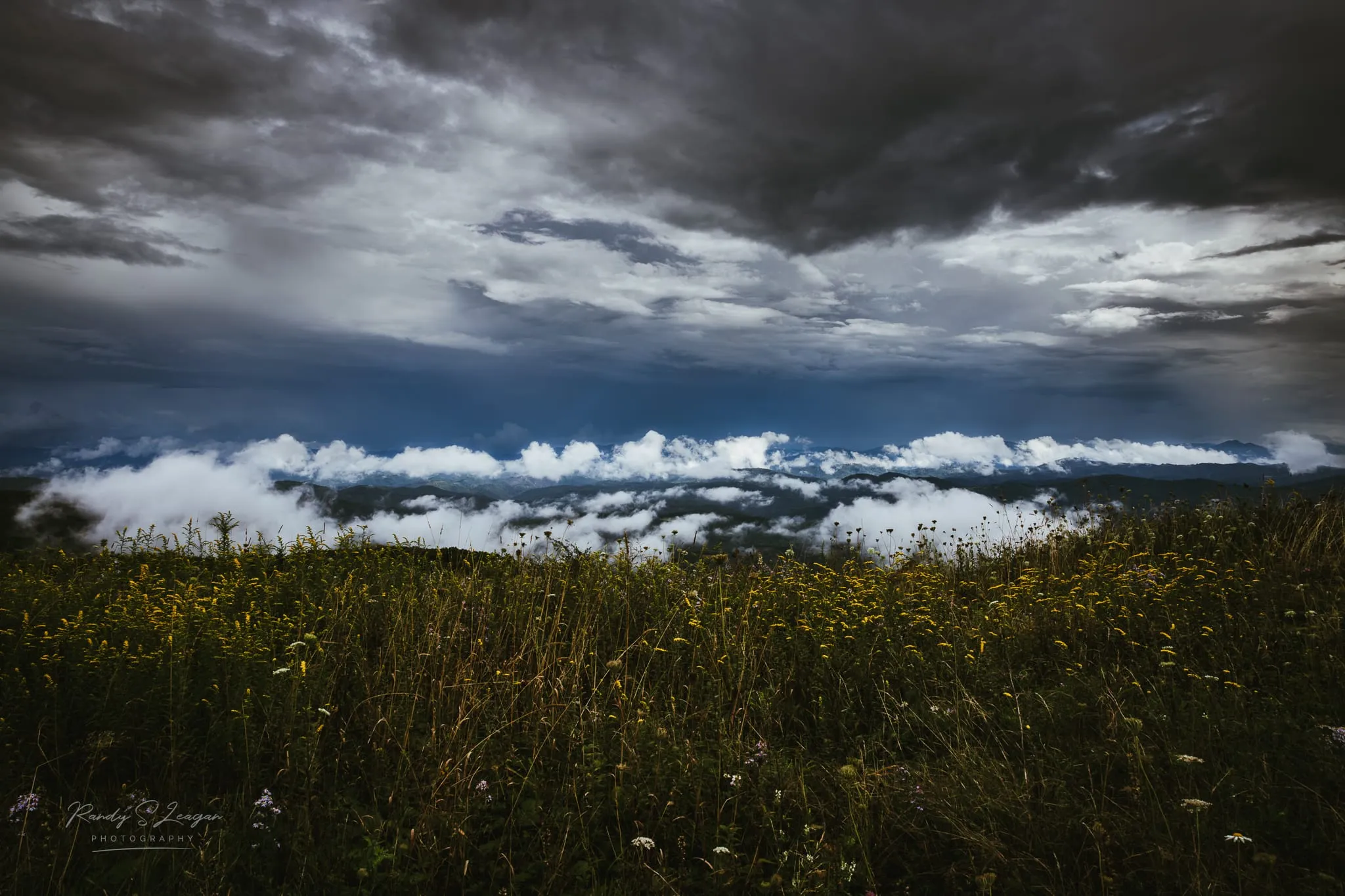
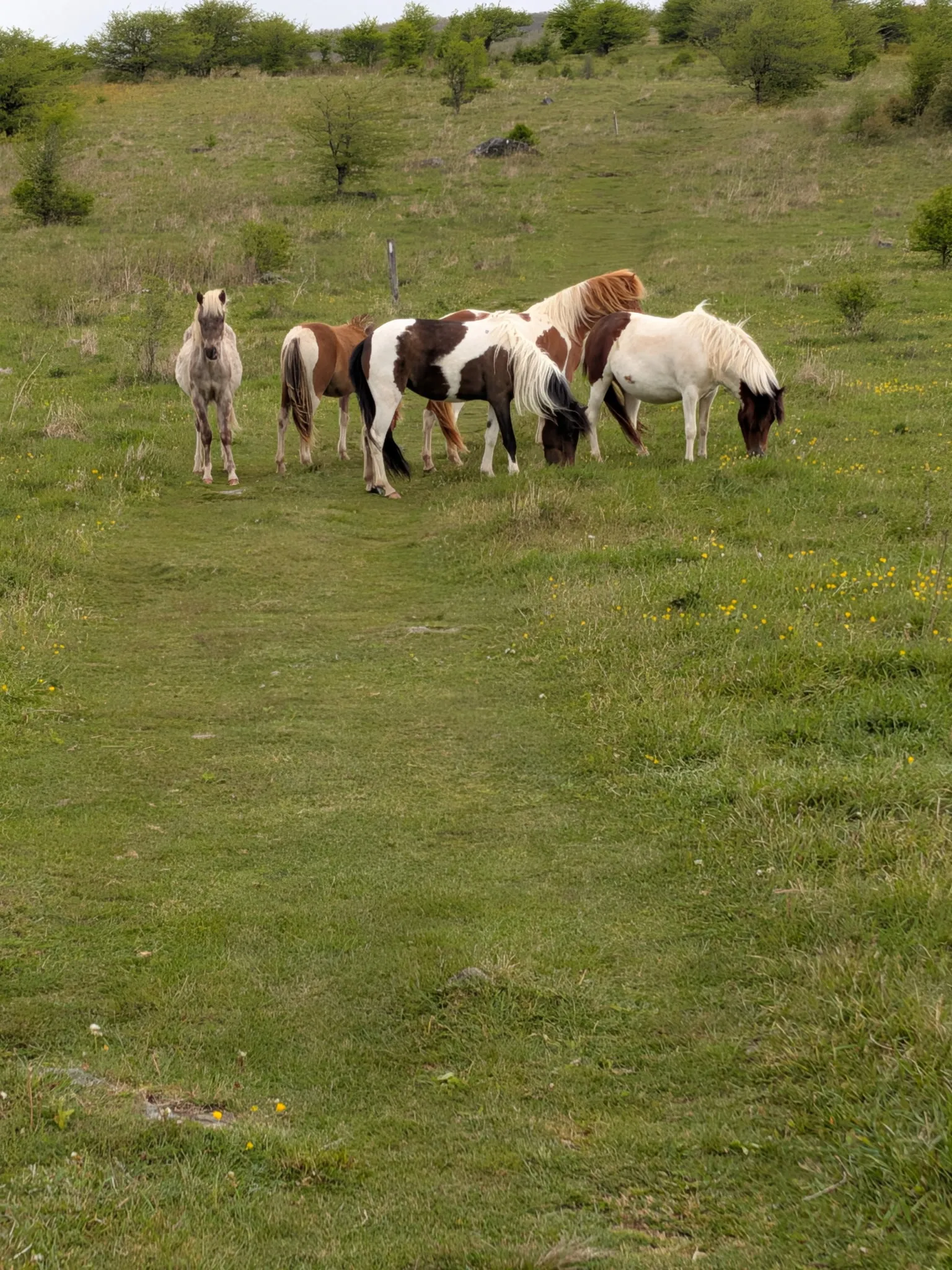
They’re free-roaming, not wild in the strict sense — a managed herd that lives on the balds year-round and keeps the grassland open by grazing it. Without them, the high meadows that make this place look like Scotland would grow over into forest within a couple of decades. The ponies are the reason the view exists.
They’re small, shaggy, and completely unbothered by people. That last part is what gets visitors in trouble.
Where to look
Massey Gap is the standard access. Park inside Grayson Highlands State Park, walk out toward the Appalachian Trail, and you’re in pony country within a mile or so. This is the shortest walk to a realistic sighting and the one to pick if you have kids or limited time.
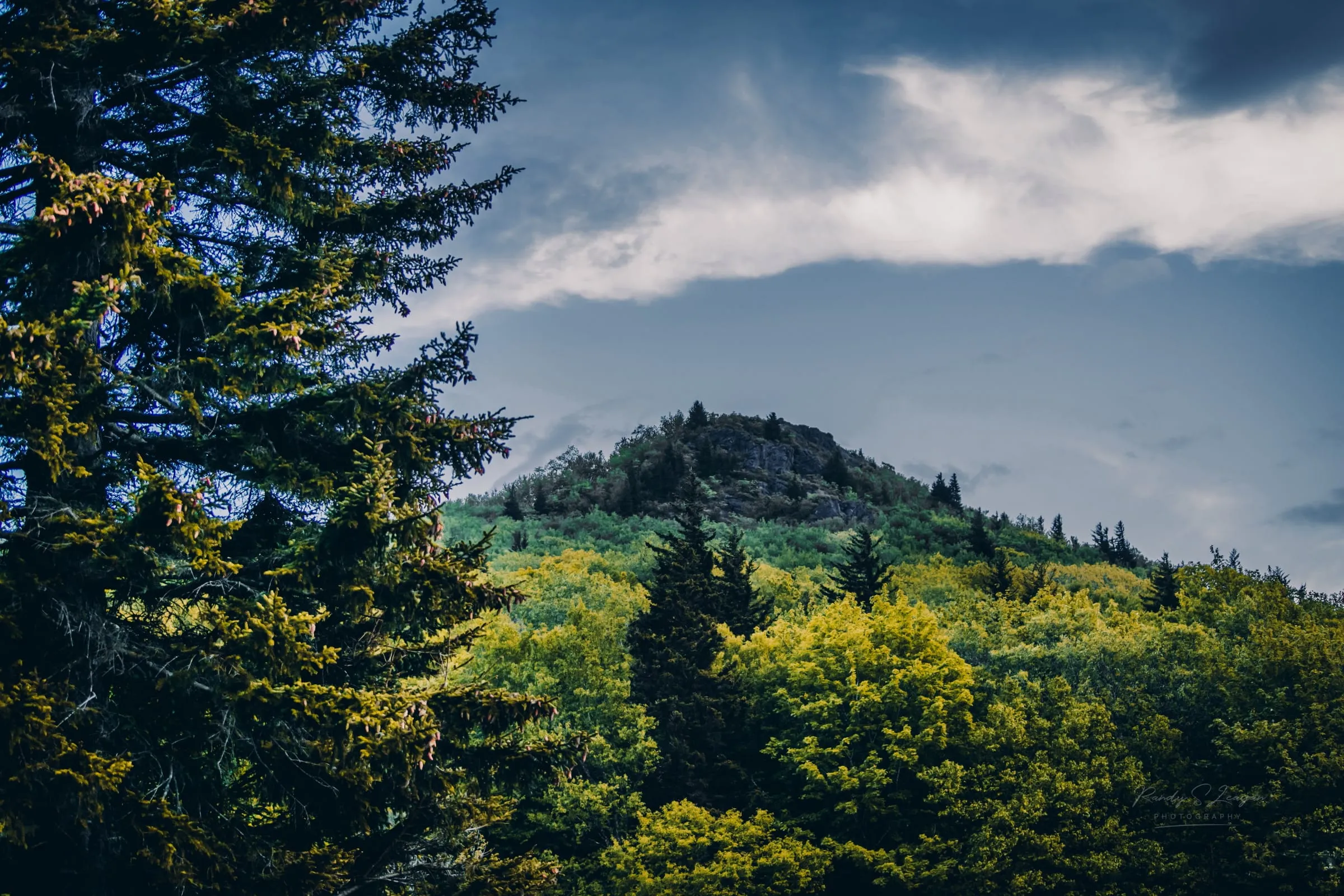
Rhododendron Gap and the surrounding balds are where the larger groups tend to be. It’s further, rockier, and more exposed — but it’s also the best scenery on the whole section, so it’s rarely wasted effort.
The stretch toward Elk Garden holds ponies too, and sees fewer people. If Massey Gap’s parking lot is full on a Saturday, this is your move.
There’s no guaranteed spot. The herd moves. Ask anyone walking the other way — hikers will always tell you where they just saw them.
When to go
Early morning and evening are best. The ponies graze in the cool hours and tend to shelter in the shade or the lee of a rock outcrop through the middle of a hot afternoon. Early also means the balds have their good light and the parking lot has spaces.
Weekdays over weekends, if you can. Grayson Highlands on an October Saturday is genuinely crowded.
Fall is the prettiest and the busiest. Late spring is quieter and the meadows are green. Winter is spectacular and cold in a way people underestimate — see the note on weather below.
How to behave around them
This part matters, and the rules exist for a reason:
- Don’t feed them. Not an apple, not a granola bar, not anything. Human food makes them sick and makes them aggressive toward the next person, who might be a child.
- Don’t pet them. They will let you. They also bite and kick, and they are stronger than they look.
- Keep dogs leashed and close. A curious dog and a defensive mare is a bad combination.
- Don’t get between a mare and a foal. Ever.
- Pack your trash out. Ponies eat what’s left behind.
Give them a few yards, use your zoom, and you’ll get better photos anyway.
What to bring
The balds are exposed, and the weather up there is not the weather at the parking lot. Even in summer:
- A wind layer — the wind is relentless on the open ground
- More water than you think, as there’s little shade
- Sun protection, because at 5,000 feet on open grass you will burn
- Real shoes; the rock through Rhododendron Gap is rough on trainers
Cell signal is patchy to nonexistent. Download your map before you leave.
Making a weekend of it
Grayson Highlands pairs naturally with Mount Rogers, which is a short detour away, and with the Virginia Creeper Trail down at Whitetop Station. There’s more in the area than most visitors realize — waterfalls, trout water, and the New River — collected on our things near us page.
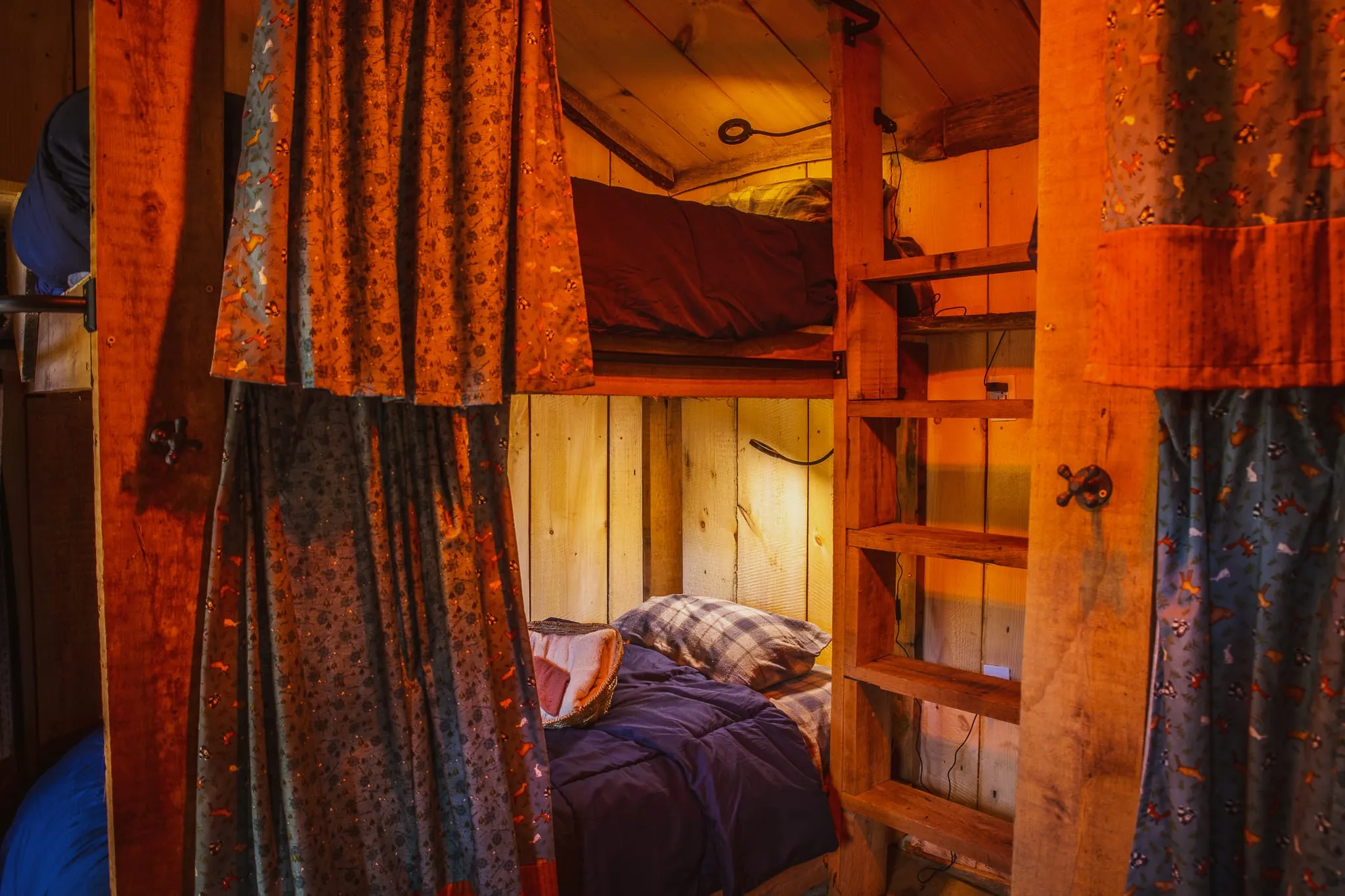
We’re about twenty minutes from the park on Highway 58, with a bunkhouse, a yurt, a glamping tent, tent sites and car camping. If you’d rather hike one-way than do an out-and-back, we run trail shuttles to Massey Gap and Elk Garden. Have a look at where you’d sleep or book a night.